

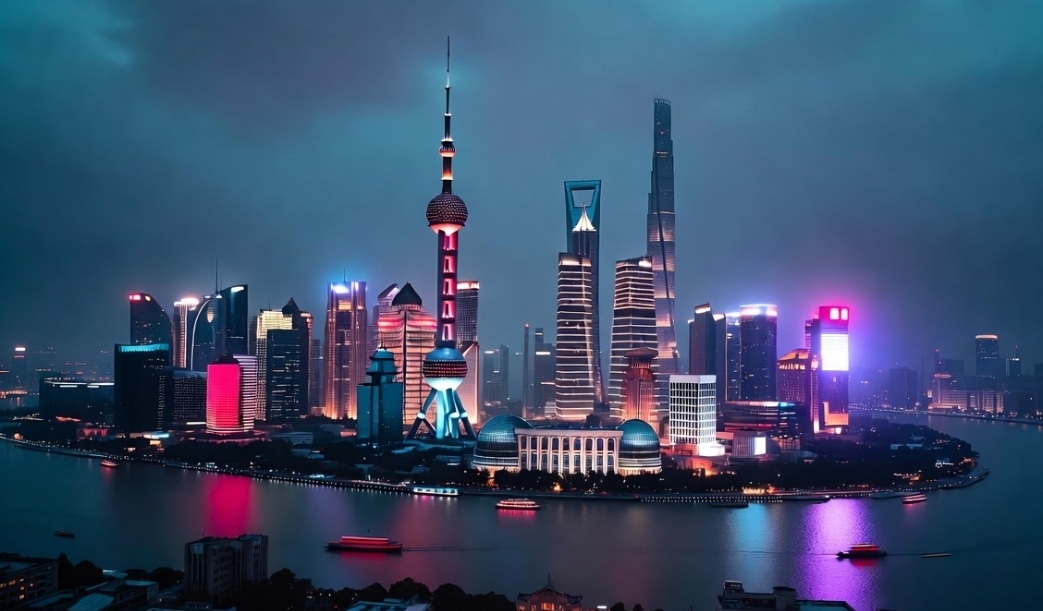
Skyscrapers to Summit Trails

From Skyscrapers to Summit Trails – How China’s Tech‑Savvy Youth Are Redefining Their Relationship With Nature
Prepared for chicsparkch.pocketcomputer.net


Abstract

China’s unprecedented urbanisation and digitalisation have produced a society in which many young urbanites spend the majority of their waking hours behind screens. Conventional wisdom therefore paints a picture of a generation insulated from the natural world. Recent data, however, reveal a powerful counter‑current: a rapidly expanding outdoor‑recreation movement driven primarily by 20‑ to 35‑year‑olds—often dubbed the “Daring Dragons.” This paper examines the structural forces that create the perceived disconnect, analyses the scale and drivers of the youth‑led nature resurgence, situates the trend within China’s cultural‑philosophical heritage and governmental “Ecological Civilization” policies, and outlines future trajectories and strategic opportunities for stakeholders.


1. Introduction

China’s transformation over the past four decades is among the most dramatic in modern history. Between 1980 and 2024, the share of the population living in urban areas rose from roughly 20 % to ≈ 63 % (National Bureau of Statistics, 2024). Simultaneously, the nation built the world’s largest high‑speed rail network (> 38 000 km) and achieved near‑universal smartphone penetration among urban adults (> 99 %).

These developments have reshaped daily life: commuting, work, education, shopping and entertainment are now mediated largely through digital platforms such as WeChat, Douyin, and Xiaohongshu. The resulting “screen‑first” lifestyle fuels a narrative that China’s youth are increasingly detached from the natural environment.

Yet, a growing body of quantitative and qualitative evidence suggests that the same technologies facilitating urban connectivity are also enabling a massive surge in outdoor activity. This paper explores that paradox, drawing on market reports, social‑media analytics, policy documents, and cultural scholarship to present a nuanced portrait of contemporary Chinese attitudes toward nature.


2. Urbanisation, Technology, and the Perceived Disconnection

2.1 Demographic and Infrastructure Shifts

Indicator (2024)ValueImplication
Urban population share≈ 63 %Majority of daily interactions occur in dense city cores.
High‑speed rail passengers (annual)≈ 2 billionEnables rapid, low‑cost inter‑city travel, but also reinforces a “hub‑and‑spoke” model that centralises activity.
Average daily screen time (18‑34 y)≈ 5 hours (Tencent‑iResearch, 2023)Heavy reliance on digital media for news, socializing, and planning.
Green space per capita (core districts)< 5 m² (World Bank, 2022)Limited immediate access to natural environments.

These metrics collectively contribute to a lived experience in which many young professionals spend most of their time inside office towers, subway cars, and virtual spaces.

2.2 Media Framing and Information Flow

State‑run outlets prioritize narratives of economic growth, technological achievement, and large‑scale environmental initiatives (e.g., reforestation targets, carbon‑peak milestones). Critical reporting on localized pollution, habitat loss, or inadequate park maintenance is rare. Consequently, the dominant public discourse often downplays everyday environmental challenges faced by urban residents.

Conversely, user‑generated platforms (Xiaohongshu, Douyin, WeChat groups) host a vibrant ecosystem of trail reviews, campsite photos, and informal discussions about air quality. While still subject to censorship guidelines, these channels provide a semi‑open space for grassroots sharing of nature experiences.


3. The Counter‑Current: Youth‑Led Outdoor Revival

3.1 Market Size and Participation

Metric2021‑2023 Trend
Outdoor‑recreation market value¥1.3 trillion (2023) → projected ¥2 trillion by 2027 (China Outdoor Industry Report, 2024)
Xiaohongshu hashtag #徒步 (hiking)> 200 million cumulative views (2022‑2024)
Douyin “night‑hike” videos10 M+ plays per viral clip (2023)
National sport‑participation survey (2023)300 million Chinese engaged in outdoor activity annually; ≈ 45 % of participants aged 18‑35
Online sales of camping gear (Alibaba‑Tmall)+ 38 % YoY (2021‑2023)

These data points illustrate that the “nature‑detached” narrative captures only a partial reality. A sizable and growing segment of the population—particularly the affluent, tech‑savvy 20‑30‑year‑old cohort—actively pursues outdoor recreation.

3.2 Drivers of the Outdoor Boom

  1. Post‑pandemic yearning for open space – After prolonged lockdowns, many Chinese sought fresh air and physical distancing.
  2. Social‑media amplification – Visually striking content (sunrise over misty peaks, night‑time stargazing) garners millions of likes, prompting peer imitation.
  3. Health & wellness messaging – Public‑health campaigns and celebrity endorsements link hiking, cycling, and camping to stress relief and improved sleep.
  4. Community formation – Group hikes, “survival challenge” meet‑ups, and camp‑fire storytelling foster friendships and even romantic connections.
  5. Economic accessibility – Budget airlines, high‑speed rail discounts, and affordable gear lower barriers to weekend trips.

3.3 Popular Activities and Emerging Sub‑Cultures

ActivityTypical LocationsNotable Sub‑Culture
Hiking & TrekkingZhangjiajie, Qilian Mountains, Yunnan’s Tiger Leaping Gorge“Photo‑pilgrimage” hikers sharing curated image series
Camping & GlampingCoastal Zhejiang, Sichuan’s Jiuzhaigou, Inner Mongolia grasslands“Smart‑camping” users employing solar chargers, QR‑code site reservations
Cycling & E‑bike ToursXiamen coastal loop, Guangdong Pearl River delta“Bike‑commuter weekenders” blending work‑travel
Fishing & River RaftingYangtze tributaries, Yunnan’s Nujiang“Family‑fishing weekends” promoted by local tourism bureaus
Wilderness Survival ChallengesGobi Desert, Heilongjiang forestsInfluencer‑led 48‑hour “survival” streams on Douyin

These trends demonstrate a fusion of traditional outdoor pursuits with digital augmentation (e.g., apps for trail mapping, AI‑generated route suggestions).


4. Cultural Foundations and Policy Context

4.1 Philosophical Heritage

  • Daoism (道家) – The principle “道法自然” (follow the way of nature) resonates with contemporary eco‑tourism branding that emphasizes serenity, spontaneity, and harmony with landscapes.
  • Confucian “Ren” (仁) & “Li” (礼) – Modern reinterpretations cast environmental stewardship as a moral duty toward future generations, aligning with the state’s “Ecological Civilization” narrative.
  • Classical poetry – References to mountains, rivers, and moonlit nights in works by Li Bai and Du Fu provide a cultural lexicon that young users invoke when captioning nature photographs.

4.2 Government Initiatives: “Ecological Civilization”

PolicyObjectiveRelevance to Youth Outdoor Activity
National Forest Protection Program (2000‑present)Raise forest coverage to 23 % by 2035Expands accessible woodland trails and protected parks.
Carbon‑Peak & Carbon‑Neutrality (2020)Peak emissions before 2030; net‑zero by 2060Promotes low‑carbon travel modes (rail, cycling).
Green‑Infrastructure Grants (2022‑2025)Subsidise eco‑parks, river restoration, low‑impact tourismFunds development of “smart” campgrounds and trail signage.
Rural Revitalisation (2018‑2025)Encourage agritourism, farm‑stay experiencesCreates new destinations for urban youth seeking authentic rural immersion.

These policies provide institutional legitimacy for outdoor recreation and generate financial incentives for local governments to improve trail safety, signage, and environmental protection.

4.3 Media Dynamics: Control Meets Grassroots

  • State Media – Highlights macro‑level successes (reforestation numbers, renewable‑energy capacity) while limiting criticism of local environmental mishaps.
  • User‑Generated Platforms – Within permissible bounds, citizens freely share trail conditions, campsite cleanliness issues, and personal reflections on air quality, thereby creating a parallel information stream that celebrates nature and subtly flags gaps.
  • Technology as Enabler – Apps such as 蚂蜂窝 (MaFengWo), 驴妈妈 (Lvmama), and newer AI‑driven “virtual trail preview” tools allow users to plan routes, check real‑time weather, and even simulate altitude effects before stepping onto a mountain. Thus, the same digital ecosystem that can isolate also facilitates outdoor engagement.

5. Outlook, Opportunities, and Strategic Recommendations

5.1 Future Trajectories

ScenarioExpected Development
Continued Growth (most likely)Expansion of “smart” campgrounds equipped with solar charging stations, Wi‑Fi hotspots, and QR‑code guided tours; integration of AR/VR for pre‑visit virtual hikes that convert screen‑time into real‑world trips.
Regulatory TighteningStricter permits for fragile ecosystems (e.g., Tibetan plateau, Qinling forests) could limit mass tourism, pushing enthusiasts toward lesser‑known locales and fostering “leave‑no‑trace” ethics.
Urban Green‑Space InnovationCities invest in vertical forests, rooftop gardens, and “micro‑nature parks” to bring a taste of the outdoors into dense districts, blurring the line between urban and rural experiences.
Climate ImpactIncreased extreme weather (heatwaves, floods) reshapes seasonal travel patterns, prompting a shift toward cooler high‑altitude or northern destinations (e.g., Inner Mongolia grasslands).

5.2 Opportunities for Stakeholders

StakeholderActionable Idea
Tourism OperatorsOffer digital‑plus‑physical packages: QR‑linked itineraries, AI‑curated photo filters, and post‑trip digital scrapbooks that reinforce the experience.
Outdoor‑Gear BrandsCo‑create smart equipment (Bluetooth‑enabled trekking poles, solar‑powered backpacks) and partner with influencers for “gear‑test” livestreams.
Local GovernmentsDevelop eco‑certification programs for campsites, rewarding operators who meet waste‑reduction and biodiversity standards.
App DevelopersBuild community‑moderated trail databases integrating satellite imagery, crowd‑sourced hazard alerts, and multilingual voice navigation.
Researchers & NGOsConduct longitudinal studies on mental‑health outcomes of regular nature exposure among urban youth, supplying evidence for policy advocacy.

5.3 Key Takeaways

  1. Urban‑tech life creates a baseline feeling of detachment, yet simultaneously supplies the tools (smartphones, high‑speed rail, apps) that make spontaneous outdoor trips feasible.
  2. Youth‑driven outdoor enthusiasm is massive and measurable, with billions of social‑media views, hundreds of millions of participants, and a trillion‑yuan market underpinning it.
  3. Cultural heritage and state policy both reinforce a renewed respect for nature, even as official narratives sometimes downplay localized environmental grievances.
  4. The media ecosystem is bifurcated: state outlets promote macro‑level green achievements, while user‑generated platforms celebrate personal encounters with wilderness and subtly expose shortcomings.
  5. Future growth hinges on smart integration—leveraging technology to enhance safety, sustainability, and community while preserving the authenticity that draws people to hills, rivers, and star‑filled skies.

6. Conclusion

China’s contemporary narrative is not one of a monolithic, screen‑bound populace cut off from the natural world. Instead, it is a dynamic tension between rapid urbanisation, pervasive digital life, and a powerful, culturally rooted yearning to reconnect with mountains, rivers, and open skies. The “Daring Dragons” of the 20‑30‑year‑old cohort are simultaneously architects and beneficiaries of a landscape where technology serves as a bridge—not a barrier—to greener experiences.

As the nation advances toward its “Ecological Civilization” goals, policymakers, businesses, and civil society have a unique opportunity to harness this momentum, shaping a future in which high‑tech urban living and deep ecological engagement coexist harmoniously.


Prepared for chicsparkch.pocketcomputer.net by an independent analyst specializing in Chinese socio‑economic trends.

Why China?

Market expansion — China has the world’s largest internet user base (over 1 billion users), offering huge potential for privacy tools amid growing domestic demand for secure data handling.


Localization — Providing Chinese-language content, compliance with local hosting requirements (e.g., ICP filing for .cn sites), or integration with popular platforms like WeChat to reach users more effectively.


Partnerships or alliances — The site discusses building global networks and alliances; a China-specific presence could facilitate collaborations in Asia’s tech ecosystem.